


-

Add: HeBei ShengShi HongBang Cellulose Technology CO.,LTD.
-

Email
13180486930@163.com -

CONTACT US
+86 13180486930



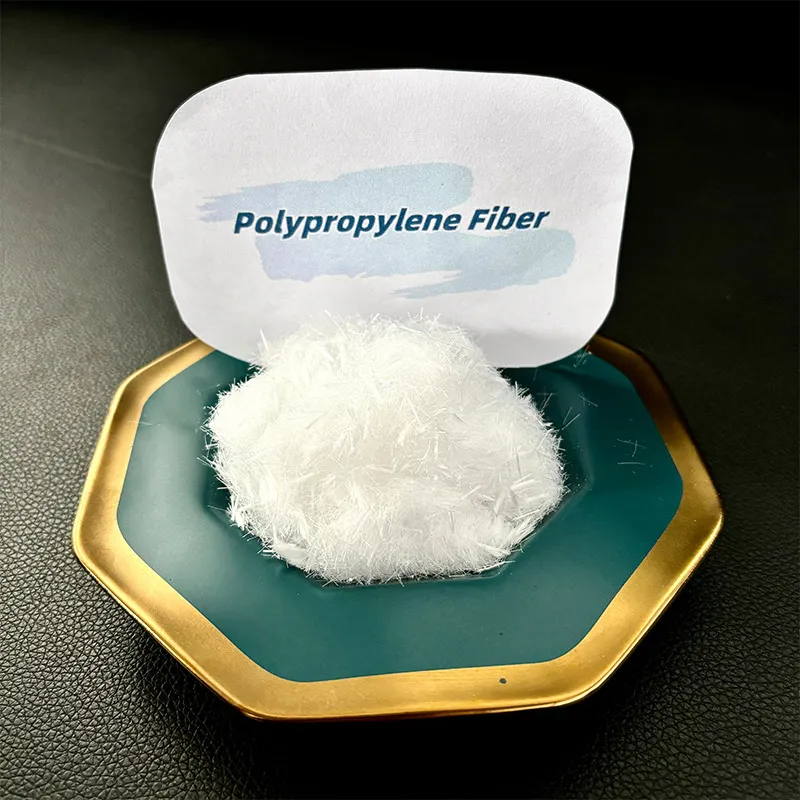
The Role of Manufacturers in the Production of PP Fiber Polypropylene (PP) fiber has gained significant popularity in the textile and industrial sectors due to its unique properties, including lightweight, durability, and resistance to moisture and chemicals. This versatile material is commonly used in various applications, from clothing to carpets and industrial packaging. The manufacturers of PP fiber play a crucial role in ensuring the quality, efficiency, and innovation of this essential material. This article delves into the key aspects of PP fiber manufacturing, its significance, and the future of this industry. Understanding PP Fiber PP fiber is derived from polypropylene, a thermoplastic polymer. The manufacturing process involves polymerization, where propylene monomers are chemically reacted to form long chains of polypropylene. These chains are then spun into fibers through a process known as melt spinning. As a result, manufacturers can produce fibers of different thicknesses and characteristics, catering to diverse applications. Key Manufacturers Several key players dominate the PP fiber manufacturing landscape. Companies such as Reliance Industries, Indorama Ventures, and LyondellBasell are among the largest producers globally. These manufacturers utilize cutting-edge technology and innovative practices to produce high-quality fibers that meet international standards. Their commitment to research and development has led to advancements in fiber properties, including enhanced strength, UV resistance, and dyeability. Quality Control and Innovation Quality control is paramount in the production of PP fiber. Manufacturers conduct rigorous testing and inspections at various stages of production to ensure that the final product meets specified standards. This includes assessing the fiber's tensile strength, elongation, and resistance to chemicals. By investing in advanced testing equipment and technologies, manufacturers can maintain high quality and consistency, ultimately leading to increased customer satisfaction. mga tagagawa ng pp fiber Innovation is another critical aspect of PP fiber production. As the demand for sustainable and eco-friendly materials rises, manufacturers are exploring new ways to produce PP fibers with a reduced environmental impact. This includes using recycled materials and developing biodegradable PP fibers. By focusing on sustainability, manufacturers are not only meeting market demands but also contributing to global efforts in reducing plastic waste. Applications of PP Fiber PP fiber's versatility allows it to be used in various applications across different industries. In the textile industry, it is widely utilized in making clothing, upholstery, and home furnishings due to its lightweight and breathable nature. In the industrial sector, PP fiber is used for manufacturing geotextiles, ropes, carpets, and automotive interior components. Additionally, its chemical resistance makes it suitable for applications in the medical field, such as disposable surgical gowns and coverings. Challenges in the Industry Despite the many advantages of PP fiber, manufacturers face several challenges. One significant issue is the fluctuating prices of raw materials, particularly propylene. This volatility can affect production costs and ultimately impact pricing for consumers. Additionally, the environmental concerns associated with plastic production require manufacturers to adapt and find sustainable solutions. Striking a balance between profitability and environmental responsibility is a challenge that continues to shape the industry. The Future of PP Fiber Manufacturing Looking ahead, the future of PP fiber manufacturing appears promising. As technology continues to advance, manufacturers will likely develop even stronger and more versatile fibers. Innovations in production processes may lead to greater efficiency, reduced costs, and enhanced sustainability. Furthermore, as global consumer preferences shift towards more sustainable products, manufacturers will need to adapt quickly to remain competitive. In conclusion, manufacturers of PP fiber play a vital role in the textile and industrial markets. Their commitment to quality, innovation, and sustainability shapes the future of this material. As they navigate the challenges of raw material volatility and environmental concerns, these manufacturers will undoubtedly pioneer new solutions and practices that benefit both their businesses and the global community. As PP fiber continues to evolve, it will remain an essential material in our everyday lives, highlighting the integral role of its manufacturers.
- 40000tons

Production
- 20+years

Experience
- 5000+㎡

Acreage

-
Exploring the Intricacies and Applications of HPMC Coating HPMC, or Hydroxypropyl Methylcellulose, coatings have emerged as a pivotal component in various industries, primarily in pharmaceuticals and food sectors. These coatings are not merely a protective layer but serve multifaceted roles that enhance product quality and consumer safety. Hydroxypropyl Methylcellulose is a semi-synthetic polymer derived from cellulose, the most abundant organic polymer on Earth. Its non-ionic, water-soluble properties make it an ideal candidate for coating applications. In pharmaceuticals , HPMC coatings play a crucial role in tablet and capsule formation. They not only provide a polished finish to the pharmaceutical products but also offer functionalities like controlled drug release, taste masking, and moisture protection. For instance, with controlled release formulations, HPMC coatings ensure that the drug is released at a predetermined rate and time, significantly enhancing therapeutic efficacy and patient compliance. In the food industry, HPMC is used extensively to improve the stability and shelf life of products. It forms an efficient barrier against oil and moisture loss, maintaining product freshness and texture. An example is its application in bread, where it acts as an anti-staling agent, ensuring prolonged softness and freshness. Coupled with its non-toxic and hypoallergenic qualities, HPMC is recognized as safe for human consumption by international regulatory bodies, which bolsters its credibility. hpmc coating The rise in vegetarianism and veganism has further propelled the demand for HPMC coatings, especially in pharmaceuticals. Traditional gelatin capsules, derived from animal by-products, are increasingly being replaced by HPMC-based capsules, which align with plant-based dietary preferences. This transition is supported by studies showing HPMC capsules have comparable disintegration and dissolution properties to their gelatin counterparts, assuring consistent drug delivery and absorption. Experts in material sciences highlight the adaptability of HPMC coatings as a notable advantage. By tweaking the degree of substitution and the molecular weight of HPMC, manufacturers can customize the viscosity and film-forming properties to meet specific product requirements. This flexibility not only enhances product development processes but also aids in scaling manufacturing operations by allowing precise control over the coating formulation. However, with the integration of HPMC coatings in product development, there are challenges that need to be addressed. These include ensuring the uniformity of the coating layer, which is critical for product performance, and managing the cost implications of high-quality HPMC, which can be a limiting factor for smaller enterprises. Industry leaders stress the importance of investing in advanced coating technologies and quality control systems to overcome these hurdles and maximize the benefits of HPMC applications. In conclusion, the evolving landscape of consumer preferences and technological advancements positions HPMC coatings as a transformative solution in various sectors. Their unrivaled functionality, combined with their adaptability, makes them an indispensable tool in enhancing product performance and market competitiveness. As manufacturers continue to innovate and refine HPMC formulations, the future of coating technologies promises to be both exciting and impactful, underscoring a commitment to quality and consumer satisfaction.
-
The Emergence and Significance of Manufactured Fiber in the Textile Industry Manufactured fibers, commonly referred to as synthetic fibers, play a pivotal role in the modern textile industry. These fibers, created through chemical processes, differ significantly from natural fibers such as cotton, linen, or wool. Their unique properties, versatility, and the ability to cater to specific consumer needs have solidified their position in the fabric market. The Emergence and Significance of Manufactured Fiber in the Textile Industry One of the key advantages of manufactured fibers is their ability to be engineered for specific functionalities. For instance, polyester is widely known for its strength and resistance to shrinking and stretching, making it an excellent choice for outdoor and performance wear. Similarly, nylon offers exceptional elasticity and resilience, which is why it is commonly used in activewear and lingerie. Innovations in fiber technology have resulted in products like moisture-wicking fabrics, anti-microbial treatments, and UV-resistant textiles, catering to the evolving demands of consumers who seek durability and specialized performance in their clothing. fibra manufacturada Moreover, the economic implications of manufactured fibers are substantial. As the global demand for textiles continues to grow, the capacity to produce synthetic fibers at scale provides manufacturers with the ability to meet a variety of market needs efficiently. These processes are often less labor-intensive compared to the cultivation of natural fibers, which can be affected by environmental conditions and rely heavily on agricultural practices. The consistent output and lower production costs associated with manufactured fibers create a more stable market environment, contributing to the overall economy in terms of job creation and industry development. However, the rise of manufactured fibers has not been without controversy. Environmental concerns regarding the production and disposal of synthetic fibers have been increasingly scrutinized. The petroleum-derived nature of many synthetic fibers raises questions about sustainability, as these materials contribute to pollution and are typically non-biodegradable. Efforts to address these challenges have sparked innovations in recycling and the development of bio-based synthetic fibers that aim to minimize the carbon footprint of textile production. Brands focusing on sustainability are now investing in closed-loop systems to recycle polyester and other synthetic materials, thus reducing waste and promoting a more circular economy. In addition to the environmental challenges, there is also a growing consumer consciousness regarding the impact of manufactured fibers on skin health. Some individuals may experience irritation or allergic reactions to synthetic materials, leading to a demand for hypoallergenic options. As a response to these concerns, manufacturers are developing new fibers that combine the benefits of synthetic materials with the qualities of natural fibers, such as breathability and softness. In conclusion, manufactured fibers have profoundly influenced the textile industry by providing versatile, high-performance alternatives to natural fibers. While they present challenges in terms of sustainability and consumer health, ongoing innovations and a shift toward more environmentally friendly practices indicate a promising future for these materials. As technology and design continue to evolve, the textile landscape will undoubtedly reflect a balance between the advantages of manufactured fibers and the growing need for responsible consumption and production practices. The journey of manufactured fibers from inception to present-day use highlights the dynamic nature of fashion and textile development, driven by both necessity and innovation.
advantages
-

200000 Viscosities
Excellent product
We can produce pure products up to 200,000 viscosities
-

40000 tons
High yield
We don’t stop production all year round, and the annual output can reach 40,000 tons
-

24 hours
Quality service
We provide 24-hours online reception service, welcome to consult at any time
———— Inquiry Form
Schedule A services
-
 what_is_hpmc
Oct . 25, 2025
Hydroxypropyl methyl cellulose (HPMC) significantly influences the properties of cement mortar, part - powder_coating_rubber
Oct . 25, 2025
Company Overview HeBei ShengShi HongBang Cellulose Technology CO.,LTD. Visit Official Website Tel: + -
 utilisations_de_l_ether_d_amidon
Oct . 25, 2025
In the construction world, performance and durability are top priorities. Hydroxypropyl methylcellul


